Student Loan Decisions: How to Choose the Right Private Loan for Your Education
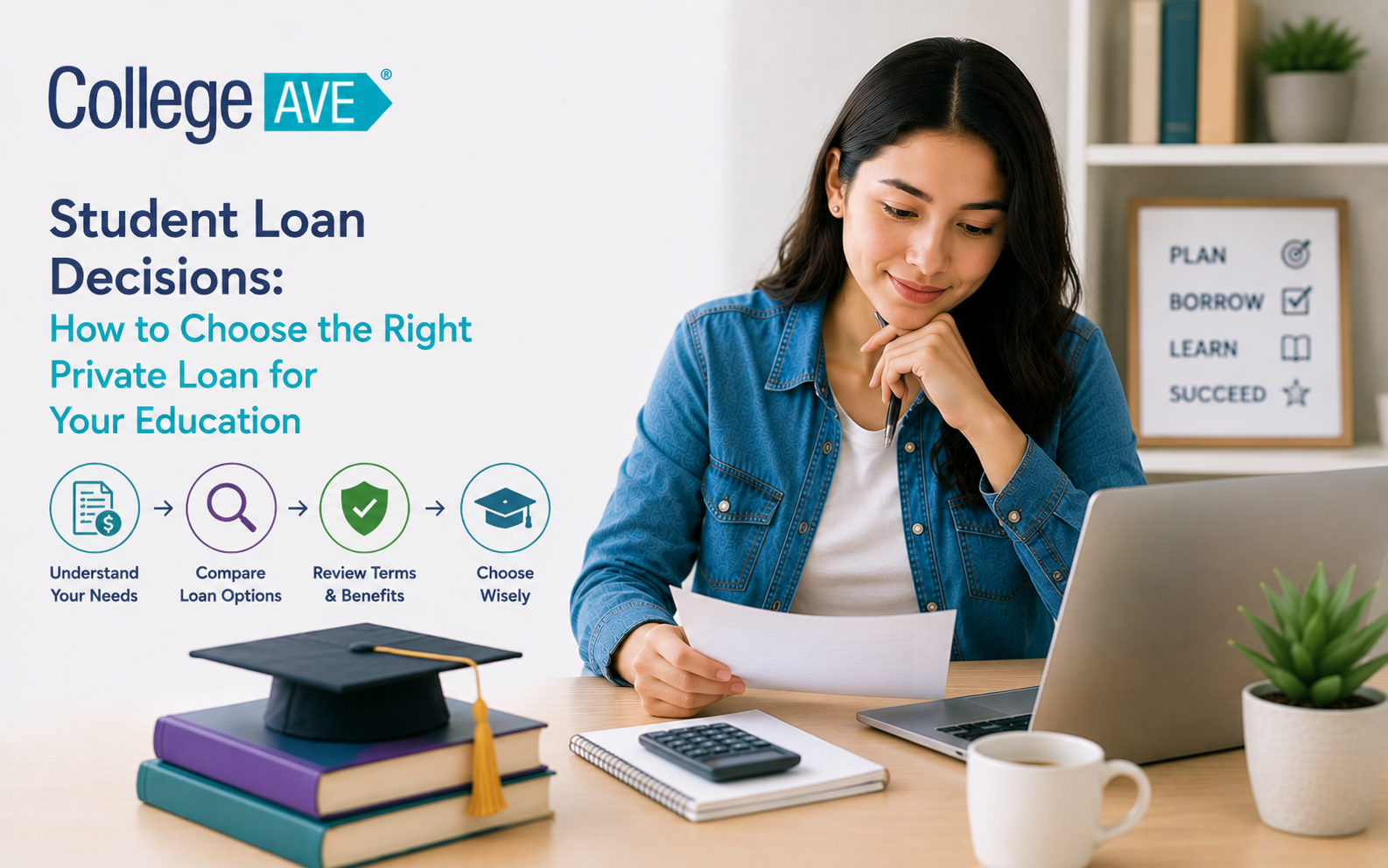
College can be quite a costly undertaking, and most students are depending on a student loan to fill the void between how much they have in addition to the many exacting expenses of education. Although private loans are a type of funding you can find, they may allow you to have additional financial help, but it takes planning because not all will work out the same.
A short period of research will go a long way in saving money and repaying the education loan simpler after graduation.
Be Aware of What You Need Before You Borrow
Estimate your expected costs of education before applying for a student loan. You should account for costs such as tuition, books, lodging, and transportation; expenses for meals and everyday living. After that total is calculated, deduct scholarships, grants, and personal savings to see just how much you need to actually take on in loans.
The less you borrow, the less interest will cost in future, and your monthly payments will be more manageable.
See also: Why Hiring a Project Management Company Improves Results
Why You Need to Choose the Right Private Student Loans?
Choosing the best private student loans, instead of taking the first offer you get through the door. Look through interest rates, repayment terms, and other factors to compare multiple lenders.
With a careful comparison, you can find the most reasonably priced loan with flexible features at all stages of repayment.
Compare Key Loan Features
Where loans are involved, there is much more to consider than simply an interest rate. This approach gives you a better way of seeing the loan and what that long-term value will be for using that particular loans full package.
Pay close attention to:
- Fixed or variable interest rates
- Repayment flexibility
- Grace periods after graduation
- Fees or penalties
- Financial hardship assistance
This is so that you are aware of your obligations before you sign, and reading the entire loan agreement.
Plan for Repayment Early
In the best borrowing choices, there was a repayment plan from the start. Start out with a basic monthly budget and guesstimate the maximum amount you think you could pay once you’ve graduated.
Consistently paying your student loan and additionally applying additional towards the principal at any time you are able will decrease interest charges, as well as pay off the loan faster. Automating payments will also help you stay consistent and eliminate the risk of defaulting.
Review Your Financial Situation Regularly
Your fiscal requirement is incorrect whilst in the college. Monitor your borrowing from year to year, and base future loans on how you want the amount of your loan to decrease based on lesser expenses (due to scholarships, grants, or part-time) every school year.
Depending on how much student debt you accumulate, this can provide a lot more financial flexibility after you graduate.
Final Thoughts
While a student loan can help finance your education, the right one should be tailored to your current needs and future budget. And some thoughtful planning today can make the repayment of those debts so much less stressful tomorrow.
Take care when selecting the best private student loans, do your due diligence on lenders and know every aspect of a loan before you opt in. With good borrowing behavior, you will be able to complete your degree while preserving financial stability in the long run.