How Smart Technology Is Revolutionizing Smart Homes
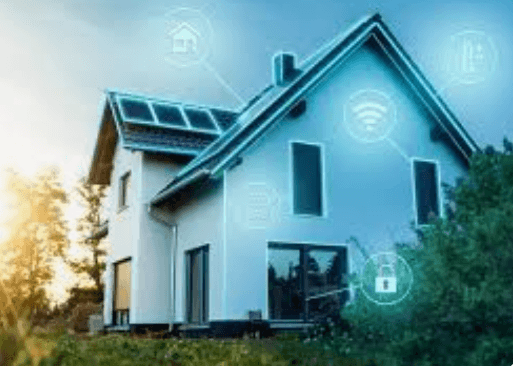
Smart technology is transforming homes by coordinating devices, systems, and data to automate daily tasks. Markets show growing adoption of voice control, sensors, and cloud analytics that tailor lighting, climate, and security. The result is measurable efficiency and personalized comfort, with a scalable ecosystem that adapts to changing routines. Yet questions remain about privacy, maintenance, and long‑term reliability as households balance control with convenience. The next considerations reveal what actually changes in everyday life.
What Smart Home Tech Really Does for Daily Life
Smart home technology integrates devices and systems to automate everyday tasks, from adjusting lighting and temperature to managing security and energy use. The approach centers on measurable gains: Smart appliances streamline routines, energy efficiency reduces costs, and voice assistants provide hands-free control. Multidevice control consolidates interfaces, enabling seamless coordination while preserving privacy, autonomy, and freedom to customize schedules and preferences.
How to Pick a System That Fits Your Habits
Choosing a smart-home system that aligns with daily habits requires a clear picture of how residents use space, routines, and priorities. A detached, data-driven assessment weighs device compatibility, user interfaces, and scalability. It emphasizes habits harmony and setup synergy, guiding selections that respect freedom and autonomy while minimizing friction. The result is adaptable performance without overreach.
Smarter Habits: Automation Scenarios That Save Time and Energy
Automation routines transform daily patterns into time- and energy-saving actions. In practical terms, automated schedules trim unnecessary tasks, optimize lighting, climate control, and appliance use without constant management. Measurable gains emerge from data-driven adjustments, boosting automation efficiency while reducing standby drag and peak demand. The result is sustained energy optimization, delivering freedom from micro-management and more predictable household performance.
Ensuring Privacy, Security, and Easy Maintenance
Privacy, security, and straightforward maintenance are essential considerations as homes adopt interconnected devices. A measured approach evaluates privacy safeguards, encryption standards, and data minimization to curb exposure.
Regular security updates, firmware reliability, and proactive threat detection reduce risk without restricting autonomy. Transparent logging and clear recovery plans empower residents, enabling confident adoption while preserving freedom and trust in smart ecosystems.
See also: How Smart Technology Is Revolutionizing Transportation Safety
Frequently Asked Questions
Do Smart Homes Require a Monthly Subscription for Core Features?
Subscription models for smart homes vary; core features frequently remain accessible without ongoing fees, though advanced capabilities or cloud storage may require a plan. Decisions hinge on vendor choices and user needs, balancing cost against convenience and freedom.
How Do Smart Devices Impact Indoor Air Quality?
One in three households with air quality sensors shows measurable IAQ improvements when ventilation optimization is implemented; smart devices influence indoor air by monitoring pollutants and adjusting airflow, enhancing comfort and safety through data-driven, freedom-minded technology.
Can Non-Tech-Savvy Users Install and Troubleshoot Systems?
Non-tech-savvy users can install and troubleshoot systems with clear install guides and beginner troubleshooting resources, though success varies; outcomes improve when following structured steps, documented tips, and vendor support, providing freedom through accessible, data-driven guidance.
Are There Privacy Risks From Voice Assistants in Shared Spaces?
Privacy concerns persist: voice assistants in shared spaces raise data ownership questions, as conversations may be stored or transmitted. The analysis shows potential risk, requiring transparent policies, user controls, and strict access limits for freedom-minded households.
What Happens to Data if the Internet Goes Offline?
Offline data storage may preserve essential functions, while local control lets devices operate without internet. Data integrity relies on secure caches and encryption; accessibility depends on device design and user-configured offline modes, ensuring autonomy during outages for privacy-conscious users.
Conclusion
Smart homes deliver measurable benefits: convenience, energy savings, and a cohesive ecosystem that adapts to routines without demanding attention. Data-driven automation reduces daily friction, while scalable designs accommodate changing needs. Some worry about privacy or overreliance on tech; however, careful system selection, strong security practices, and transparent data controls mitigate these concerns. When trusted partners handle maintenance and updates, households gain predictability, comfort, and efficiency—proving the technology serves as a steady, autonomous ally rather than a burden.